
TLDR
Physiotherapy includes far more than exercises and stretches. Depending on your assessment and goals, your treatment plan at a physiotherapy clinic in Kitchener might include manual therapy, progressive exercise training, movement retraining, patient education, and selected modalities, each chosen for a specific reason tied to your diagnosis and what you need to get back to doing. The right combination is different for every person.
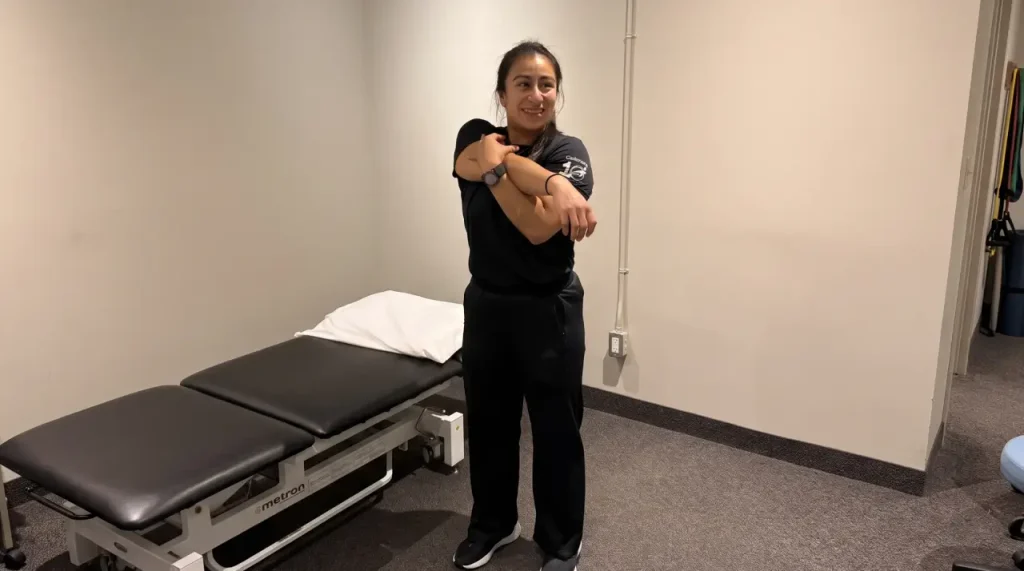
You’ve probably heard it before: “I already know what physio is. They give you a sheet of stretches and send you home.” It’s a common assumption, and it’s understandable. But it’s also incomplete.
Modern physiotherapy is a clinical process that starts with assessment, builds around your specific diagnosis and functional goals, and draws from a broader toolkit than most patients expect. What are the different types of physiotherapy treatments available? The honest answer is: it depends on what your physiotherapist finds when they evaluate you.
This post walks through the main categories of physiotherapy treatment, what each one involves, and how a good plan brings them together around your goals, not a generic protocol.
If You Expected “Just Exercises,” You’re Not Wrong — You’re Just Missing the Full Picture
Exercise is often part of physiotherapy. But it’s one tool among several, and even the exercise component looks different from person to person. Someone managing shoulder pain while trying to get back to recreational swimming has different demands than a teenager returning to soccer after a knee injury, or an adult in their 60s who wants to keep walking and gardening without limitation.
So, what are the different types of physiotherapy treatments available? The answer depends on your assessment. That assessment drives every decision that follows: what hands-on work fits your presentation, what exercises are appropriate right now, what you need to understand to stay on track at home, and whether any additional tools belong in your plan.
Research published in PubMed frames physiotherapy around function, limitations, and participation in daily life. That framing reflects exactly how a good physio thinks: not just about symptoms, but about what you need your body to do.
Your Assessment Comes First: Why Your Diagnosis Guides the Plan
Before any treatment begins, your physiotherapist evaluates you. That means looking at your movement, your strength, your history, your activity demands, what’s limiting you right now, and where you want to get to.
Two people with back pain are not automatically the same case. One person may have limited tolerance for sitting, while another struggles with lifting or walking any distance. Their functional goals are different. Their presentations are different. Their plans should be different too.
Take back pain as a common example. A physiotherapist assessing that presentation will identify which movements or activities are limited, screen for anything that warrants medical follow-up, and then build a plan that addresses what that specific person needs. That plan might include education, hands-on care, progressive movement work, and guidance for managing things at home between sessions.
The key is that every treatment choice should be explained so you understand the reasoning. You’re not just following instructions; you’re making informed decisions about your own recovery.
Manual Therapy in Physiotherapy: Hands-On Care With a Purpose
Manual therapy in physiotherapy refers to skilled hands-on techniques that a physiotherapist uses to support improved movement and function. It is not massage in the general sense. It is targeted, clinical, and tied to a specific goal within your plan.
Common manual therapy techniques include:
- Joint mobilization: Carefully applied movement to a joint to address stiffness or restricted range of motion.
- Soft tissue techniques: Hands-on work directed at the surrounding tissues to improve how a region moves and functions.
- Assisted stretching and mobility work: Guided movement performed with the physiotherapist’s support to help restore range.
- Hands-on guidance during movement: The physiotherapist uses contact to help you feel and find a movement pattern your body isn’t accessing on its own yet.
An important point: manual therapy is typically not the whole plan. Evidence reviewed in a PubMed Central publication supports hands-on treatment as most effective when it’s paired with active rehabilitation. Think of it as opening a window. If turning your neck is stiff and uncomfortable, targeted manual work may help create a window where you move more comfortably, so you can then practise and load the movement in a way that builds lasting capacity. The manual work supports the active work. It doesn’t replace it.
Exercise Therapy and Movement Retraining: Where You Build Control, Strength, and Confidence
This is the core of physiotherapy, and it’s worth taking seriously. Exercise therapy and movement retraining are not about handing you a printed sheet of stretches. They’re a progressive, structured approach to restoring what your body needs to do.
What exercise therapy addresses depends on your presentation and goals. Broadly, it covers:
- Managing irritability: Early-stage exercises chosen to keep you moving without provoking your symptoms further, which builds tolerance and confidence.
- Range of motion work: Targeted mobility exercises to restore movement that has become limited.
- Strength and resistance training: Progressive loading to rebuild capacity in the tissues and structures involved in your recovery.
- Movement mechanics: Retraining how you perform a movement, whether it’s a squat, a reach overhead, a throwing motion, or how you get up from a chair.
- Balance and coordination: Particularly relevant for lower limb injuries, post-surgical recovery, and older adults managing stability.
- Sport-specific and task-specific practice: Bridging the gap between clinic progress and returning to what you actually do, whether that’s hockey, tennis, lifting at work, or keeping up with grandkids.
Progression matters here. The right exercise today should change as your capacity improves. You are not just doing reps. You are training the body to handle life again, and that requires a plan that evolves with you.
Physiotherapy Modalities for Pain Relief: Helpful Tools, Not the Foundation
Modalities are clinic-based tools that a physiotherapist might incorporate into your plan. Common examples include heat or cold application, electrical stimulation (such as TENS), therapeutic ultrasound, and taping or bracing guidance.
Here’s what you need to know about physiotherapy modalities for pain relief: the evidence supporting them, on their own, is limited. A research review in PubMed Central highlights that physical therapy tools and devices should be chosen thoughtfully rather than applied automatically, and that their value is closely tied to what they’re combined with.
A modality should have a clear reason when it appears in your plan. That reason is usually to support the active work, not to substitute for it. If a tool is being used in your session, you have every right to ask what it’s meant to help you do next. A good answer will connect the tool to a functional goal, not just symptom relief in the moment.
Passive treatment can have a role in certain stages of recovery. It is not, however, the centre of a well-designed physiotherapy plan.
Patient Education: The Treatment Most People Don’t Realize They’re Getting
Education is a clinical intervention, not a waiting-room pamphlet. Understanding what’s happening in your body, and what to do about it, changes your behaviour between sessions, which is where most of your recovery actually happens.
As part of your plan, you might learn which activities to modify short-term and which ones to keep doing, how to pace your activity without stepping back from your whole life, what signs warrant a follow-up call, and how to build a home strategy that fits your actual schedule.
When you understand the reasoning behind each physiotherapy treatment option, you stop guessing. You stop second-guessing. You start making decisions with real information. That’s not filler. That’s one of the most valuable things your physiotherapist offers.
How Do You Know Your Treatment Plan Is Built for You?
A plan that’s built around your specific presentation looks different from a generic protocol. Here’s what to look for:
| Sign of an Individualized Plan | What It Looks Like in Practice |
|---|---|
| Your goals and daily demands were discussed | Your physio asked what you do, what you want back, and what matters to you |
| Your plan evolves | Exercises and targets change as you improve or as new priorities emerge |
| You understand the reasoning | Each treatment is explained in terms of what it’s helping you achieve |
| You have clear direction between visits | You leave each session knowing exactly what to do at home and why |
| Active participation is built in | Your recovery isn’t entirely dependent on what happens in the clinic |
Ask direct questions at any point in your care:
- “What is this treatment helping me do?”
- “What should I focus on at home this week?”
- “How will we know when to progress this?”
- “What should I avoid or modify right now?”
Timelines and outcomes vary by person, condition, and consistency. Physiotherapy supports your recovery and helps you build function. What you get out of it is shaped in large part by how you engage with the process.
Key Takeaways
- Physiotherapy includes assessment, education, manual therapy, exercise therapy, movement retraining, and selected modalities, with the combination determined by your diagnosis and goals.
- Manual therapy is most effective when paired with active exercise rehabilitation, not used as a standalone treatment.
- Exercise therapy targets irritability management, range of motion, strength, movement mechanics, and return to sport or daily activity, and it should progress as you improve.
- Modalities have limited evidence on their own. When used, they should support active work and serve a clear functional purpose.
- Patient education is a core part of physiotherapy. Understanding your plan helps you make better decisions between sessions, which is where much of your recovery takes place.
- A well-built plan is specific to you. Two people with the same diagnosis often need meaningfully different treatment strategies based on their demands, limitations, and goals.
Ready to Find Out What Your Plan Actually Needs?
If you’ve put off physiotherapy because you thought it was “just stretches,” take a fresh look. Strive Physiotherapy & Performance is physiotherapist-owned and operated in Kitchener, and every plan starts with a thorough assessment of what’s limiting you, what you want to get back to, and what combination of treatment will move you forward.
You can learn more about what a session involves on the Physiotherapy page, or book an assessment to get started.
TODAY IS YOUR OPPORTUNITY. MAKE YOURSELF BETTER.
Frequently Asked Questions
What are the different types of physiotherapy treatments available?
Common physiotherapy treatment options include patient education, manual therapy, exercise therapy, movement retraining, activity modification guidance, and selected modalities such as taping or electrical stimulation. The right combination depends on your assessment, your diagnosis, your functional goals, and how your body responds as your plan progresses.
Will physiotherapy just be exercises I can do at home?
Home exercises are often part of your plan, but physiotherapy involves more than that. Your sessions include clinical assessment, hands-on care when appropriate, coaching on movement quality, progression of your program over time, and guidance on how to return to the activities that matter to you. Home exercise is one piece, not the whole picture.
Do I need manual therapy, modalities, or exercise therapy?
Your physiotherapist will determine which treatments fit your presentation after a thorough assessment. No single approach is right for everyone automatically. The plan that fits you is based on your diagnosis, your goals, and your response to treatment, not on what worked for someone with a similar-sounding complaint.